 Blog of Engagement
 Read 5 min,
DroneUA: How a Tech Business Became an Important Humanitarian Partner During the War
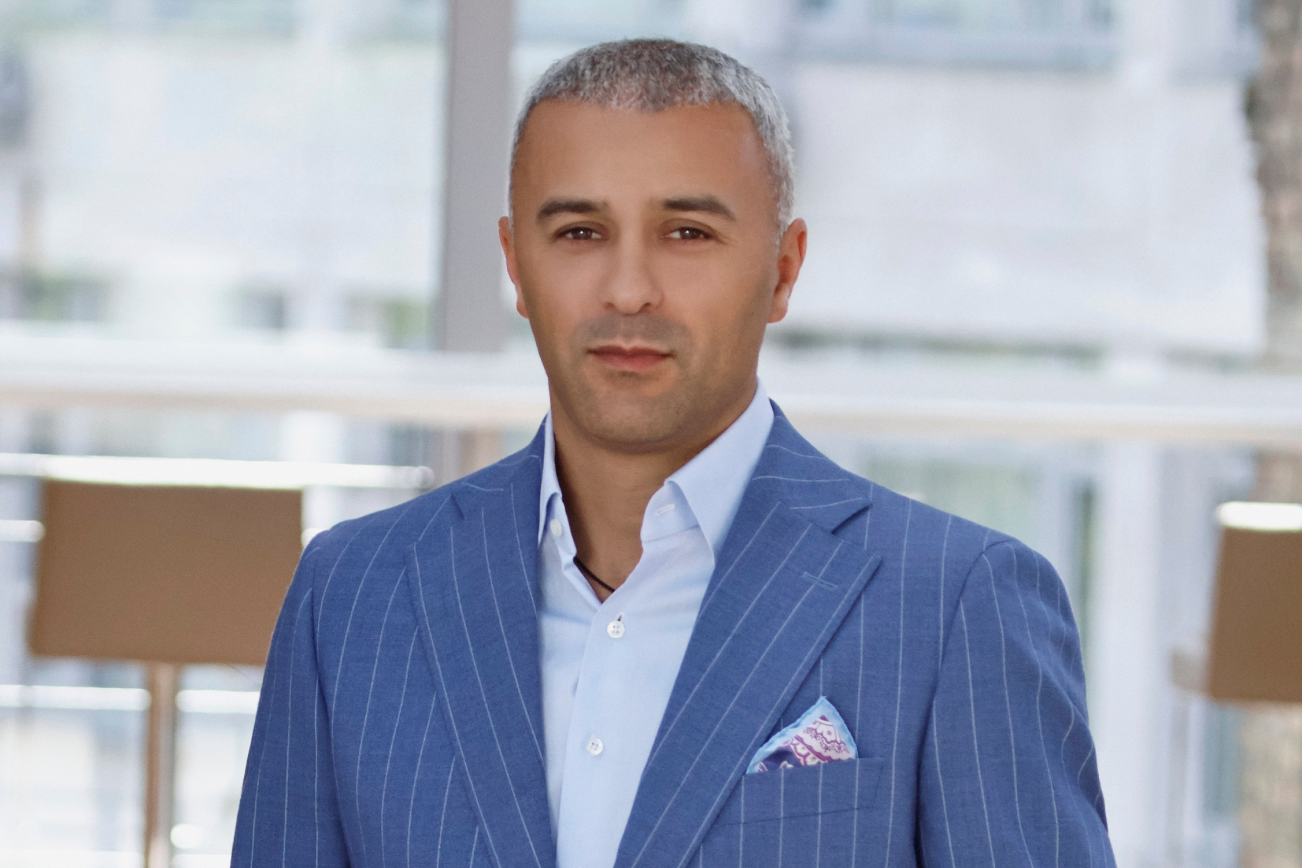
Since the first days of the full-scale war, DroneUA has been actively supporting the civilian population and critical institutions, combining business and social mission. The company has established a foundation and is currently working on energy independence, shares its technological expertise with the military and farmers, and educates the younger generation. Iryna Kiriushchenko, director of the DroneUA charitable foundation, spoke in detail about comprehensive country support during the war and plans for reconstruction after victory.
At what point did you realize that it is not enough to be just a profitable business, and there is a need to add social initiatives?
In fact, it was the war that triggered everything. At the beginning of the full-scale invasion, we all faced chaos and madness. The State Emergency Service, the National Guard, the National Police, as well as various departments and agencies called us asking for drones. We did everything we could to help, giving everything we could: drones, portable power stations, and material resources. Our warehouses were virtually empty, but no one cared about that at the time. We just did what we could.
After a while, we established the DroneUA foundation to provide at least some framework for our assistance, primarily for ourselves. It happened very organically. Now, as a director, I coordinate all of the foundation’s projects, but if necessary, I can bring in experts from other departments, i.e. marketing, sales, etc.
Since the foundation was established, the monetary equivalent of our aid has already amounted to about UAH 3.5 million, with up to 80% of the foundation’s resources coming from the company. In total, since the beginning of the full-scale invasion, the monetary equivalent of aid from DroneUA LLC has amounted to more than UAH 40 million.
How did you choose the key areas of the foundation’s work?
Before the full-scale invasion, our corporate social responsibility involved sorting waste and properly disposing of batteries. Thus, we followed our principles: striving for conscious use of resources, environmental responsibility, and efficiency. While we have not abandoned these activities, other, larger-scale projects have come to the fore, such as helping vulnerable population groups, children, and retired people.
The foundation was registered exclusively for civilian purposes. We realized we would help the military, but we did not want to use this for PR. That is why you can primarily see projects aimed at helping civilian population in our communications.
We were launching a new brand of portable power stations on the market just as massive shelling and power cuts began. We realized that our stations could help, that their capacity would be enough to keep critically important hospital equipment running and heating on in orphanages and schools. From this, essentially a coincidence, the portable power station project arose.
When the Russians blew up the Kakhovka dam, we switched to this area. Somehow, everything falls into place organically — we provide assistance where we understand it is most needed.
Right now, we help civilian institutions. We face administrators or managers of hospitals and orphanages, to whom we would like to provide stations, looking for some kind of hidden agenda in our assistance. They demonstrated even greater fear when we explained that charity needs a certain level of accountability. Over time, the ice melted, our experts conducted training on the use of stations, and after a while, we received acknowledgments. The feeling of our efforts making sense is what really motivates us.
Did the company go into military mode?
We had to completely reorganize, because 70–80% of our employees are young men with rare skills.
We became residents of Diya.City, and now we are trying to retain as many employees as possible. It may sound selfish, but the experts we have are people with experience and skills in robotics that are crucial for our economy and our country.
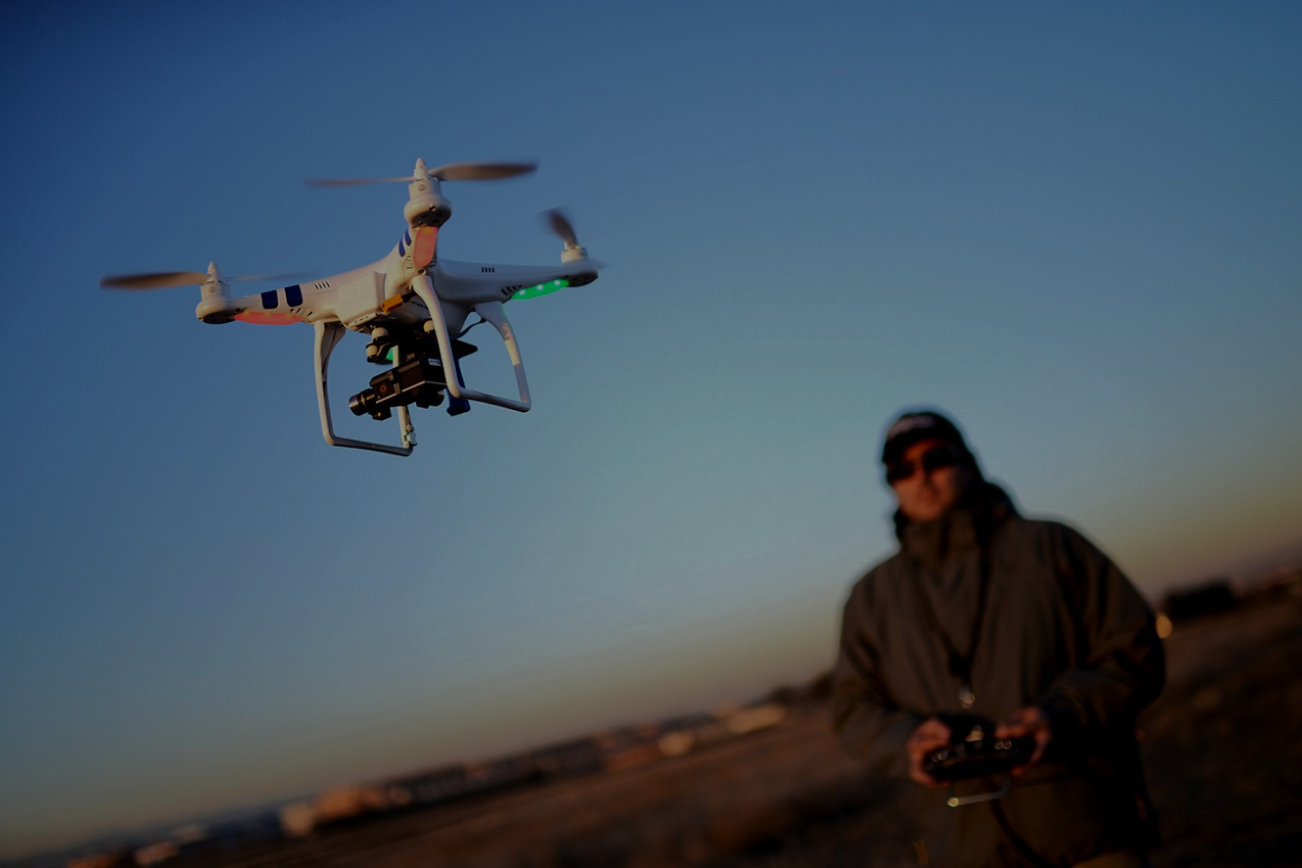
At the same time, we offer FPV drone operator courses for our employees. Any of them, both males and females, can take these courses if they wish. Thus, if they later go to defend the country, they will already have a military specialty.
And, of course, should any of our colleagues decide to join the army, the company provides them with all the necessary equipment.
Do you have your own instructors?
Yes, we do, and they are very high-level specialists; there is always a queue for our coaches. They have skills in drone control and robotic solutions development that are rare in Ukraine, so we are working to spread them. It is also our responsibility to lay the foundation for the future in this way.
By the way, DroneUA instructors also teach how to operate agricultural drones. That is why the National University of Natural Resources is already launching an “Agricultural Drone Operator” program with our support. We also offer pilot training in two colleges in Sumy region.
Tell us more about this area. What can agricultural drones do?
We actually started the agricultural drone market in Ukraine, and now we communicate with farmers much to implement these technologies. In my opinion, this is the potential future of the agricultural sector, since they can change a lot.
Drones make agriculture more economical because you can apply fertilizer to a specific plant instead of spraying it over the entire field. For the same reason, growing plants becomes more environmentally friendly — farmers do not overuse pesticides, spraying a finely dispersed mixture from a drone, which only lands where it is needed, on the leaves, and does not flow anywhere else.
For those concerned drones will take away people’s jobs, I can assure you that the opposite is true. They create guaranteed jobs — guaranteed for everyone, regardless of gender, age, or health. There is a great potential here for the employment of veterans after the war, especially those experienced in working with drones. Agricultural drone operator is a new prestigious profession.
What other social projects do you support?
We collaborate a lot with various charitable foundations and civic society organizations. For example, we are friends with the Onuky (lit. grandchildren) Charitable Foundation. They had a project in Kharkiv region, making bookshelves for children in shelters, and we joined this initiative. In just three days, the team collected a large number of books, board games, and coloring books.
Or, at the request of the Crimean Front Foundation, we sent equipment for refrigerators with donated blood and blood transfusion devices to Kherson region.
Do you have any idea how your foundation will operate after the victory? Do you plan to abandon your work or join the post-war reconstruction?
We hope to help even more and expand our scale. Our goal is reconstruction and energy independence. We have signed a memorandum of cooperation with balbek bureau, which will build a town for displaced persons in Kyiv region. We plan to join this project as partners and ensure energy independence. And this is just one project — there will be more.
We realize that when Ukraine wins, we will need to work on reconstruction. At the same time, we will face a labor shortage. This is where robotization comes in handy, as it allows overcoming the crisis and creating new specialties.